
December is coming, and you know what that means: wedding invitations, WhatsApp groups called "Tolu & Femi 2026 Aso Ebi", and that one friend who sends the account number before she even sends the date.
Aso ebi is one of the most beautiful parts of our culture. When the whole crowd turns up in one colour, the photos are something else. But every year the same argument comes back. Is aso ebi a lovely way to show love and support, or has it turned into pressure that leaves guests broke?
First, the fun part: colours. Nigerian wedding blogs say these shades are leading in 2026:
- Burgundy and wine, the classic that never fails
- Royal blue and midnight blue, rich without shouting
- Purple in different tones, from lilac to deep plum
- Emerald, olive and mint green
- Warm earth tones like coffee brown, mustard and burnt orange
Stylists also say heavier fabrics like lace, velvet and aso-oke carry deep colours best, while chiffon and organza look better in soft shades.
Now the hot part: money. Between the fabric, gele, tailor and maybe shoes and bag to match, one aso ebi can easily cost more than a week's salary for many people. Some couples now set one price for fabric only, or give guests a colour code instead of a fixed fabric. Others say "if you can't buy, you can't sit with the family", and that is where wahala starts.
A few tips if you are buying this season:
- Ask the exact price and what is included before you pay
- Give your tailor enough time. December tailors are under serious pressure
- It is fine to wear the colour without buying the official fabric, if the couple allows it
So, let us talk:
1. What is the most you have ever paid for one aso ebi, and was it worth it?
2. Should couples stop selling aso ebi and just give a colour code instead?
3. Which 2026 colour would you pick for your own wedding or party?
Sources: https://loveweddingsng.com/2026/02/trending-asoebi-colour...
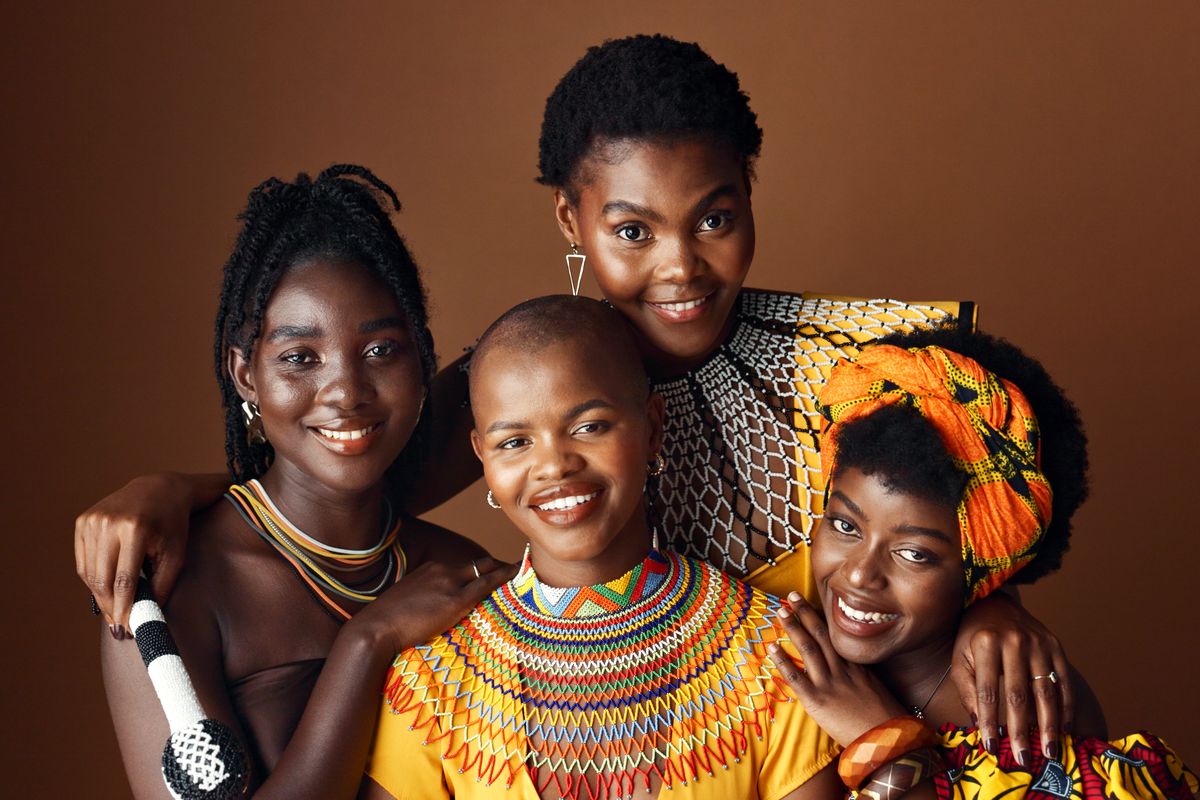
Photo: iStock
Posted by the Jump.AFRICA team to start the conversation. Jump in below
