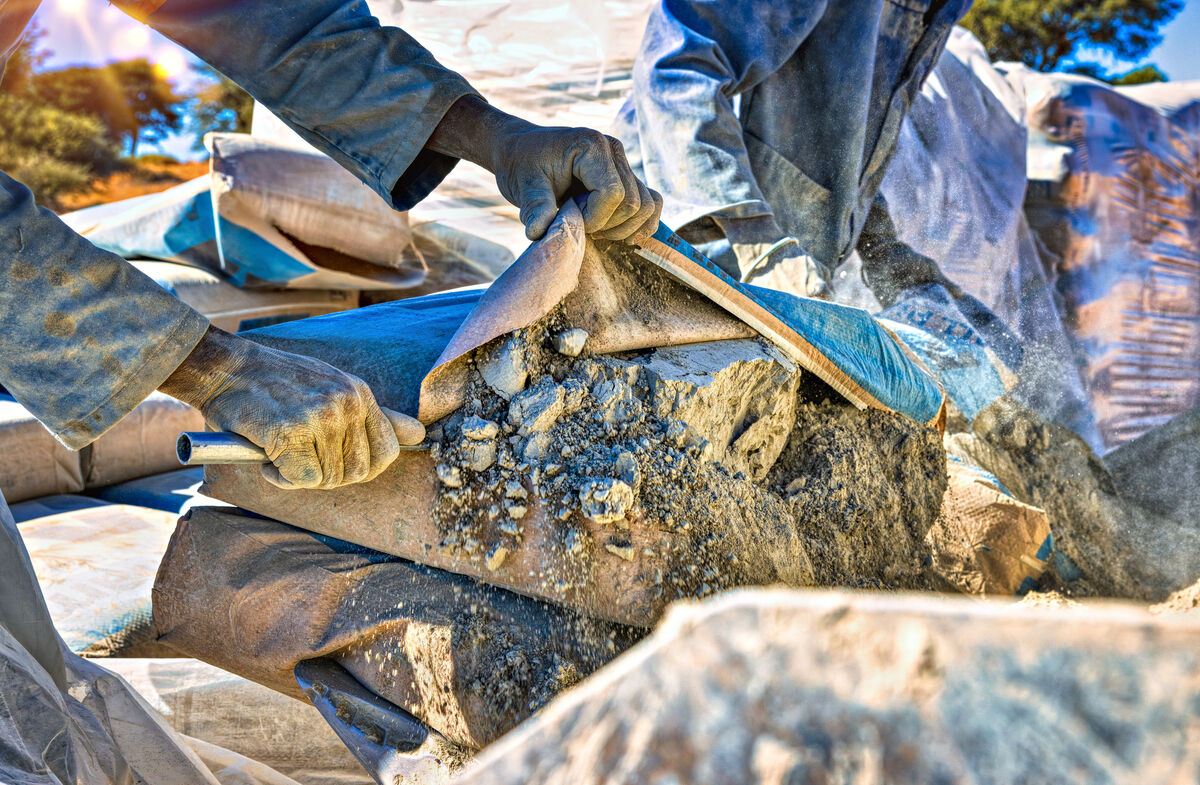
As of November 2026, a 50kg bag of cement in Nigeria costs roughly ₦12,000 to ₦15,000, depending on the brand, the city and the dealer. Recent dealer listings in Abuja put Dangote 3X at about ₦13,100, BUA at about ₦12,800 and HBM Elephant (the former Lafarge brand) at about ₦12,600, while some markets in Lagos, Port Harcourt and the South-East have reported prices above ₦15,000. Prices change week to week, so always confirm with a local dealer before you budget.
Cement prices by brand (50kg bag)
Two sets of figures are useful here. The first is a trade-press range for each manufacturer, reported in July 2026. The second is a specific Abuja dealer listing updated on 15 October 2026 and reported in early November.
| Brand | Nationwide range (July 2026) | Abuja dealer listing (Oct 2026) |
|---|---|---|
| Dangote (3X) | ₦13,000 – ₦15,000 | ₦13,100 |
| BUA | ₦12,000 – ₦14,500 | ₦12,800 |
| HBM Elephant (formerly Lafarge) | ₦12,000 – ₦13,500 | ₦12,600 |
At the Abuja listing prices, 100 bags would cost about ₦1.31 million for Dangote, ₦1.28 million for BUA and ₦1.26 million for HBM Elephant, before delivery. Dealer listings usually exclude transport to site, which can add noticeably to the final cost.
A note on the Lafarge name
If you are searching for "Lafarge cement price", the company is now known as HBM Nigeria. China's Huaxin Cement completed its purchase of an 83.81% stake in Lafarge Africa from Holcim in 2026, and the Elephant brand continues under the new name.
Cement prices by region
Recent reports do not give a clean city-by-city table for November, but they agree on the pattern:
- Abuja (FCT): about ₦12,600 to ₦13,100 per bag on dealer listings in October 2026. A March 2026 market survey found no sales below ₦11,500 in areas such as Jabi, Karu, Area 1 and Utako.
- Lagos, Port Harcourt and the South-East: parts of these markets were reported above ₦15,000 per bag in mid-2026.
- Kano and Ibadan: dealer quotes in September 2026 differed from Lagos and Abuja, with some quotations across these cities reaching ₦15,000.
In general, prices are lower close to the factories and higher where trucks travel further, in remote rural areas, and when you buy a few bags from a retailer rather than in bulk from a distributor.
How the cement price has moved
The jump over the past five years has been steep. Using figures reported by the Federal Competition and Consumer Protection Commission (FCCPC) and market surveys:
| Period | Typical price per 50kg bag |
|---|---|
| 2021 | ₦3,300 – ₦3,500 |
| 2023 | about ₦5,000 |
| 2024 | ₦7,500 – ₦8,500 |
| 2025 | ₦9,500 – ₦10,500 |
| January 2026 | ₦9,300 – ₦9,700 |
| Mid-2026 | ₦10,500 – ₦13,000 |
| July 2026 (some markets) | ₦13,000 – ₦15,000 |
Where sources disagree: one widely shared November 2026 report labels the ₦13,000 to ₦15,000 range as "November 2026" in its table, while its own text dates the same range to July 2026. A March 2026 survey also quoted builders' associations putting prices at ₦11,500 to ₦15,000 in several parts of the country, higher than the FCCPC's early-year range. Treat any single figure as a snapshot, not a fixed national price.
Why cement is so expensive in Nigeria
- Energy costs. Dangote Cement's chairman has said energy makes up around 60% of production costs. Higher gas, diesel and electricity tariffs feed straight into the bag price.
- Exchange rate pressure. A weaker naira raises the cost of imported machinery, spare parts and some raw materials. Check the latest naira moves on our rates page.
- Transport and distribution. Haulage costs, poor roads and multiple layers of distributors and retailers each add a margin.
- Inflation. General price rises push up wages, packaging and other inputs.
- Market structure. Three large producers dominate supply. Together, Dangote, BUA and Lafarge reported about ₦6.55 trillion in 2025 revenue, up roughly 27% on 2024. The FCCPC has been investigating whether recent increases reflect costs or anti-competitive conduct, and the Federal Government has asked manufacturers to consider lowering prices.
Tips for buying cement in Nigeria
- Get three quotes. Ask at least three dealers and confirm whether the price includes delivery and offloading.
- Buy in bulk where you can. Distributors usually give better rates per bag on larger orders.
- Check the grade. Brands sell more than one strength grade. Match the grade to the job and your engineer's specification rather than buying on price alone.
- Inspect bags. Avoid torn, damp or hardened bags and check that the weight is a full 50kg.
- Diaspora builders: if you are building from abroad, ask your site manager for dated receipts and photos of deliveries, and compare their quotes against published dealer prices like those above.
Cement is only one part of a building budget. Iron rods and sand have also risen sharply in 2026, so price your whole bill of materials, not just cement. For property and construction contacts, the Jump.AFRICA network connects you with builders and suppliers.